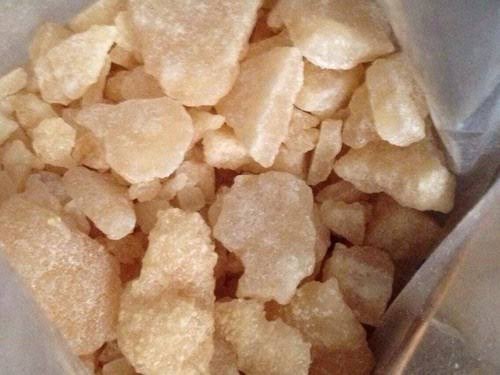
Description
Distinctive 5-MAPB Powder | Benzofuran Compound Profile & Properties
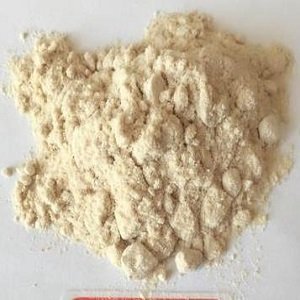
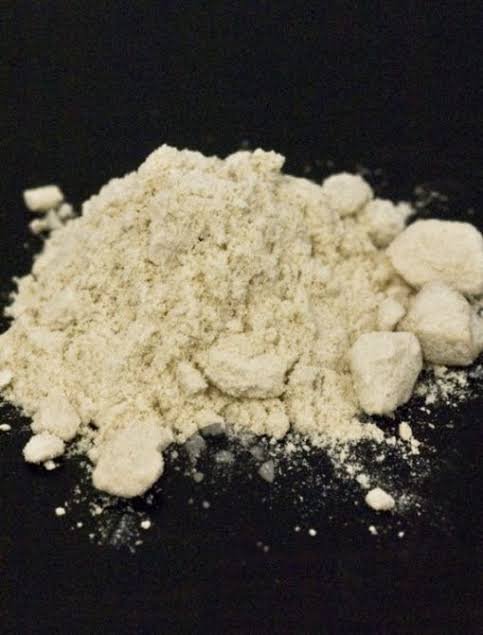
5-MAPB Powder, also known as 5-(2-methylaminopropyl)benzofuran, is a synthetic compound belonging to the substituted benzofuran and phenethylamine classes. It is structurally related to compounds such as 5-APB, 6-APB, and 5-EAPB and is the N-methylated analogue of 5-APB.
5-MAPB has attracted attention because of its structural relationship to other substituted benzofurans and entactogenic compounds. Its molecular structure combines a substituted benzofuran ring with an N-methylated aminopropyl chain, placing it within a broader family of synthetic psychoactive substances.
The pharmacological profile of 5-MAPB Powder has been associated with activity affecting monoamine neurotransmitter systems. Reported effects include stimulation, changes in mood, euphoria, increased sociability, and entactogenic effects. However, available information concerning its pharmacology, metabolism, toxicity, and long-term effects remains limited compared with established pharmaceutical substances.
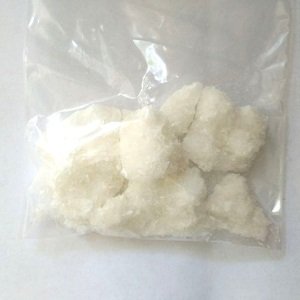
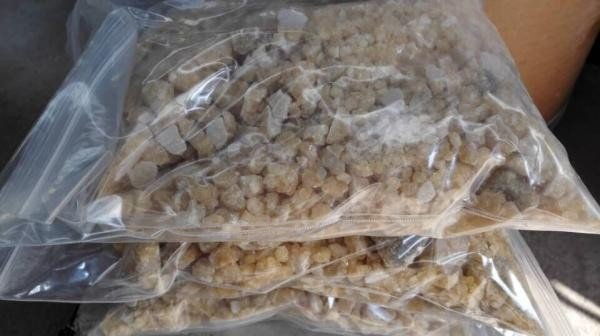
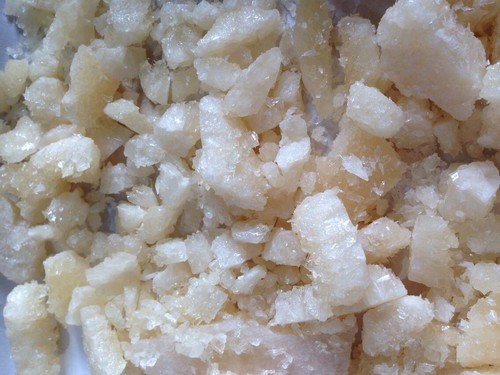
5-MAPB is commonly encountered in different salt forms, including hydrochloride and succinate forms. Differences in salt composition can affect the physical and chemical characteristics of a compound, so analytical identification and characterization are important when distinguishing between formulations.
The structural relationship between 5-MAPB and compounds such as MDMA or MDA should not be interpreted as evidence that these substances have identical effects, potency, or safety profiles. Synthetic benzofuran compounds can have substantially different pharmacological characteristics despite sharing related molecular structures.
5-MAPB Powder is not an approved therapeutic medicine. Given the limited human safety data and incomplete understanding of its long-term effects, information about this compound should be considered within an appropriate scientific, toxicological, and regulatory context.