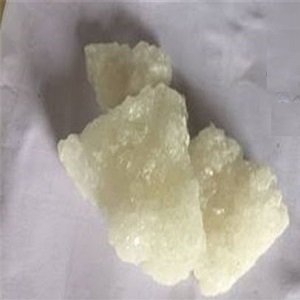
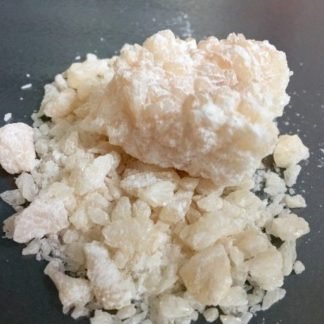
Description
Buphedrone | Distinctive Chemical Profile & Properties
Buphedrone is a synthetic compound belonging to the phenethylamine and substituted cathinone classes. Also known as α-methylamino-butyrophenone (MABP), buphedrone was first synthesized in 1928 and is structurally related to several compounds within the cathinone family.
It is a beta-ketone compound related to naturally occurring cathinone and cathine. It also shares structural similarities with methamphetamine, although differences in its molecular structure give buphedrone its own distinct chemical profile. Another name associated with buphedrone is phenylacetoethyl-methylamine.
In its free-base form, Buphedrone is described as relatively unstable. The ketone group can readily undergo reduction to a hydroxyl group, producing the corresponding alcohol. Because of this chemical instability, buphedrone is commonly encountered in salt forms, with the hydrochloride form being one of the most frequently described.
Experimental studies have examined its effects on the central nervous system. Research has reported increased spontaneous locomotor activity, stimulation of dopamine release from dopaminergic nerve terminals, and appetite-suppressing effects. Experimental observations have also indicated that it may reduce the subjective perception of thirst.
Its effects have been compared with those of other stimulant compounds, including methamphetamine. Some reports describe differences in the balance between euphoric and physical stimulant effects. However, such comparisons do not establish equivalent safety, effectiveness, or suitability for human use.
Information regarding its effects and safety in humans remains limited. Experimental findings should therefore be distinguished from established clinical evidence. The compound is not an approved medication and should not be represented as a treatment for a medical condition.
Its chemical characteristics are also relevant to its handling and storage. Its free-base form is considered unstable, while salt forms provide greater chemical stability for laboratory applications.
Because it is an unapproved psychoactive compound with limited clinical characterization, appropriate precautions and applicable legal requirements should be considered when handling or studying the substance.