
Description
D-Tertylone Crystals | Important Effects & Safety Guide
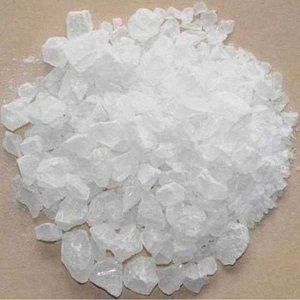
D-Tertylone Crystals refer to D-Tertylone, a synthetic psychoactive compound associated with the broader class of substituted cathinones. Available descriptions associate the compound with stimulant and psychoactive effects, although information regarding its pharmacology, safety, and effects in humans remains limited.
D-Tertylone has been described as having stimulant and mood-altering properties, with reports also associating it with effects such as increased sociability and mood changes. However, the available information surrounding the compound is not sufficiently established to support its use as a conventional therapeutic substance.
D-Tertylone Crystals have also been compared structurally or pharmacologically with compounds such as ethylone and methylone. These compounds belong to a broader group of synthetic cathinones that can produce significant effects on the central nervous system.
Reported adverse effects associated with D-Tertylone exposure include nausea, vomiting, chills, muscle cramps, sweating, teeth clenching, and blurred vision. The intensity and combination of effects may vary depending on individual factors and exposure.
Repeated exposure to psychoactive stimulant compounds may also lead to tolerance, psychological dependence, or other problematic patterns of use. Reports have described withdrawal-like symptoms and depressed mood following discontinuation in some individuals.
Because D-Tertylone Crystals are associated with psychoactive effects and limited established clinical research, they should not be regarded as an approved medication or as a substitute for established treatments. The compound’s legal status may also differ between jurisdictions.
Potential interactions with other psychoactive substances are another important consideration. Combining stimulants or other psychoactive compounds can produce unpredictable effects and may increase the likelihood of adverse reactions.
D-Tertylone Crystals are therefore best described in the context of their chemical classification, reported pharmacological effects, and potential risks rather than as a therapeutic product. Individuals seeking information about exposure, adverse reactions, dependence, or withdrawal should consult an appropriate healthcare professional.