

Description
Precise MMB-CHMINACA | Synthetic Cannabinoid Reference Standard
It is an indole-based synthetic cannabinoid associated with the MDMB-CHMINACA and MDMB-CHMICA chemical family. It has been characterized as a potent agonist of the CB1 cannabinoid receptor and has been investigated primarily in analytical, forensic, and neuroscience contexts.
MMB-CHMINACA is also encountered under related names and identifiers, including MDMB-CHMICA and MMB-CHMICA. The compound’s structural characteristics and biological activity make it relevant to analytical chemistry and the identification of synthetic cannabinoid compounds.
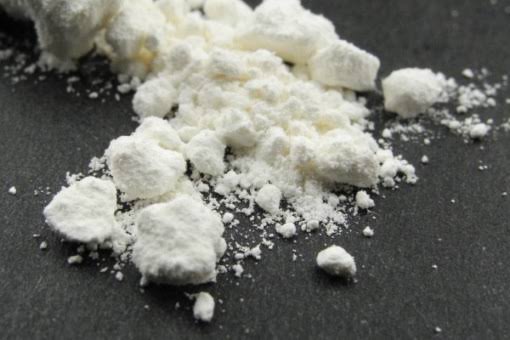
The reported molecular identity of MMB-CHMINACA includes methyl (1-(cyclohexylmethyl)-1H-indole-3-carbonyl)-L-valinate, with a reported formula weight of approximately 370.5 g/mol. It has been described as a neat solid and may be maintained under controlled storage conditions appropriate for analytical reference materials.
It has demonstrated strong interaction with the CB1 receptor in experimental settings. Reported pharmacological data include high receptor activity and a low EC50 value, although the available information should be interpreted within the context of laboratory studies rather than established clinical use.
The metabolism of MMB-CHMINACA has been associated with processes including mono-hydroxylation and hydrolysis of the carboxylic ester group. Understanding these metabolic pathways can be relevant to forensic toxicology, particularly when identifying metabolites in biological samples.
Because its physiological and toxicological properties have not been comprehensively characterized, its effects in humans and potential long-term risks cannot be reliably established from available data. Information reported for related synthetic cannabinoids should not automatically be applied to this compound.
As an analytical reference material, MMB-CHMINACA may be relevant to applications involving mass spectrometry, forensic science, toxicological analysis, and neuroscience research. Appropriate laboratory procedures and applicable regulatory requirements should be followed when handling this compound.


