Description
Pentylone Powder | Notable Cathinone Research Compound
Pentylone Powder is a synthetic compound belonging to the substituted cathinone class of psychoactive stimulants. Also known as β-Keto-Methylbenzodioxolylpentanamine, bk-Methyl-K, and bk-MBDP, pentylone has been identified as a designer cathinone and has been associated with research into the pharmacological and toxicological characteristics of synthetic stimulant compounds.
Pentylone was first synthesized in 1960 and has subsequently been encountered in forensic and analytical research contexts. Reports concerning its pharmacological effects have varied, with available information describing stimulant and possible entactogenic properties. However, the physiological, neurological, and toxicological effects of pentylone have not been comprehensively characterized.
Pentylone Powder has also been identified as a component of certain designer drug mixtures. Its presence in unregulated mixtures has contributed to forensic interest in the compound and the development of analytical methods for detecting and identifying it in biological or seized-material samples.
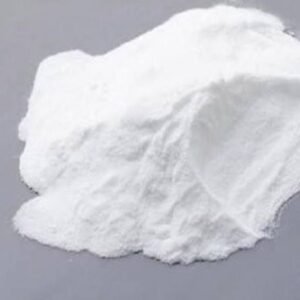
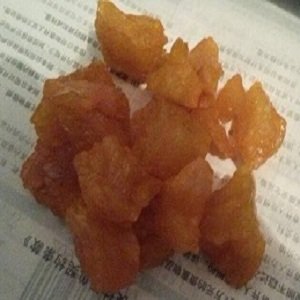
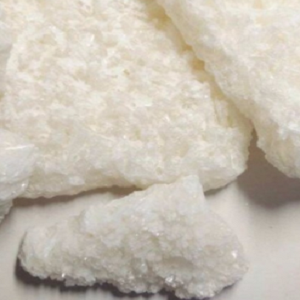
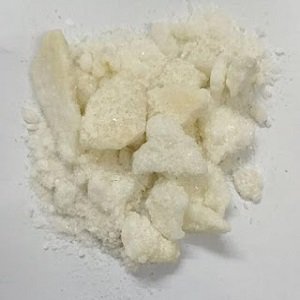
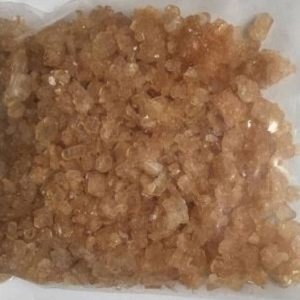
Pentylone is commonly encountered in research contexts as a hydrochloride salt because of its suitability for dissolution in aqueous laboratory solvents. The compound is described as a crystalline solid or powder and has been used for analytical and forensic research rather than as an established therapeutic medication.
The chemical identity of pentylone can be summarized as follows:
- Full chemical name: (±)-1-(1,3-benzodioxol-5-yl)-2-(methylamino)pentan-1-one
- Other names: β-Keto-Methylbenzodioxolylpentanamine, bk-Methyl-K, bk-MBDP
- CAS Number: 698963-77-8
- Physical form: Crystalline powder
- Molecular formula: C13H17NO3
- Molar mass: 235.28 g/mol
Because Pentylone Powder is a synthetic cathinone with limited toxicological characterization, its effects and risks cannot be reliably predicted from its chemical classification alone. Synthetic cathinones may have significant effects on the cardiovascular and central nervous systems, and exposure to unregulated compounds can carry additional risks related to purity, concentration, and unexpected substances.
Pentylone should therefore be considered a research and forensic analytical compound rather than a conventional pharmaceutical product. It is not appropriate to infer safety, therapeutic effectiveness, or human-use suitability from laboratory specifications or reported psychoactive effects.
Other names: β-Keto-Methylbenzodioxolylpentanamine, bk-Methyl-K, bk-MBDP, Pentylone
CAS number of substance: 698963-77-8
Physical properties: Crystalline powder
Formula: C13H17NО3
Molar mass of the substance: 235,278 g/mol
Purity of the preparation: 98% and more