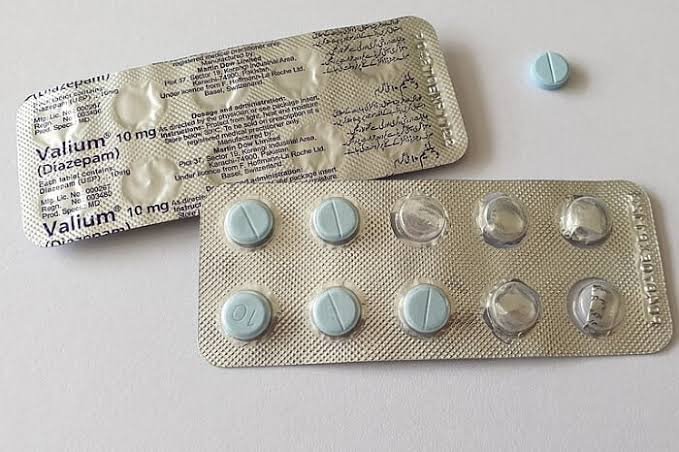

Description
Valium Diazepam | Expert Anxiety, Seizure & Muscle Spasm Guide
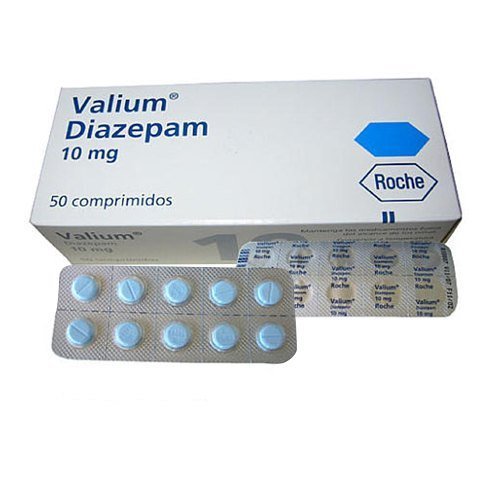
Valium (Diazepam) is a benzodiazepine medication used to treat anxiety, symptoms associated with alcohol withdrawal, and seizures. Diazepam may also be used to relieve muscle spasms and provide sedation before certain medical procedures. Valium Diazepam works by calming activity in the brain and nervous system.
Before starting Valium Diazepam, patients should read the medication guide provided by their pharmacist. Any questions about the medication, its use, or treatment should be discussed with a qualified healthcare professional.
Valium is taken by mouth with or without food according to a doctor’s instructions. For liquid diazepam, the prescribed amount should be carefully measured using a proper medication measuring device or spoon. Household spoons should not be used because they may not provide an accurate dose.
When using a concentrated diazepam solution, the supplied medication dropper should be used to measure the prescribed amount. The measured dose can then be mixed with a small quantity of liquid or soft food, such as applesauce or pudding. The entire mixture should be taken immediately and should not be stored for later use.
The appropriate Valium Diazepam dosage depends on factors such as the patient’s medical condition, age, and response to treatment. Patients should never increase the dose or take diazepam more frequently or for longer than prescribed. Taking more than directed does not make the condition improve faster and can increase the risk of side effects.
Valium Diazepam should not be stopped suddenly without medical guidance. Abruptly discontinuing diazepam can cause withdrawal symptoms, including shaking, stomach or muscle cramps, vomiting, sweating, anxiety, restlessness, and seizures. To help reduce the risk of withdrawal, a healthcare professional may gradually lower the dose. Withdrawal is more likely after prolonged use or when higher doses have been taken. Any suspected withdrawal symptoms should be reported to a doctor or pharmacist promptly.
With long-term use, Valium Diazepam may become less effective. Patients should speak with their doctor if they feel that the medication is no longer working as well as it previously did rather than increasing the dose themselves.
Although diazepam can be beneficial when appropriately prescribed, it can also be habit-forming. The risk of dependence may be higher in people with a history of substance use disorders, including drug or alcohol misuse or dependence. Taking Valium exactly as prescribed can help reduce the risk of misuse and dependence. Patients with concerns about addiction or dependence should speak with their healthcare provider or pharmacist.
Patients should also avoid grapefruit and grapefruit juice while using Valium Diazepam unless their doctor or pharmacist confirms that it is safe. Grapefruit may increase the likelihood of side effects associated with diazepam.
When prescribed for ongoing treatment, Valium should be taken consistently according to the healthcare professional’s instructions, preferably at the same time or times each day. Patients should contact their doctor if their condition persists or becomes worse.