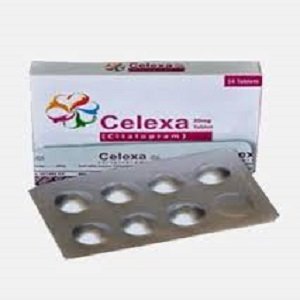
Description
Celexa Citalopram | Trusted Depression Treatment & Safety Guide
Celexa (Citalopram) is a selective serotonin reuptake inhibitor (SSRI) medication used to treat depression. Citalopram works by affecting serotonin, a chemical messenger in the brain that plays a role in mood. Celexa may also be prescribed for purposes not specifically listed here by a qualified healthcare professional.
There are important precautions to consider before taking Celexa Citalopram. Celexa should not be taken with pimozide because the combination can affect heart rhythm and potentially cause serious cardiac complications. Citalopram should also not be used if you have taken a monoamine oxidase inhibitor (MAOI) within the previous 14 days or have received a methylene blue injection, as a dangerous or potentially fatal drug interaction may occur.
MAO inhibitors include isocarboxazid, linezolid, phenelzine, rasagiline, selegiline, and tranylcypromine. Patients should tell their doctor about all medications they are currently taking before starting Celexa (Citalopram).
Antidepressant treatment can be associated with changes in mood and behavior, particularly when treatment is first started. Some children, teenagers, and young adults may experience suicidal thoughts while taking an antidepressant. Patients and caregivers should remain alert for new or worsening symptoms, including unusual changes in mood or behavior, anxiety, panic attacks, difficulty sleeping, impulsive behavior, irritability, agitation, hostility, aggression, restlessness, unusual increases in mental or physical activity, worsening depression, or thoughts about suicide or self-harm.
Any new or worsening symptoms should be reported to a healthcare professional promptly. Celexa Citalopram should be used only under appropriate medical supervision.
Celexa is not approved for use in children. The medication should not be given to anyone younger than 18 years old unless specifically advised by a doctor.
Before taking Celexa (Citalopram), patients should tell their healthcare provider if they have a bleeding or blood-clotting disorder, liver or kidney disease, narrow-angle glaucoma, seizures or epilepsy, or a history of heart disease. This includes heart failure, heart rhythm disorders, slow heartbeats, or a recent heart attack.
Patients should also inform their doctor if they have a personal or family history of Long QT syndrome, an electrolyte imbalance involving low sodium, potassium, or magnesium levels, bipolar disorder, a history of drug abuse, or suicidal thoughts.
Anyone with an allergy to citalopram or escitalopram (Lexapro) should not use Celexa. Because citalopram can interact with certain medications and may affect heart rhythm, a healthcare professional should review the patient’s medical history and current medications before treatment.