Description
Etaqualone Powder | Remarkable Quinazolinone Research Profile
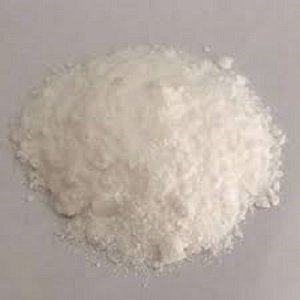
Etaqualone Powder, also known as Aolan, Athinazone, or Ethinazone, is a quinazolinone-class GABAergic compound and an analogue of methaqualone. It was developed during the 1960s and was subsequently marketed primarily in France and several other European countries.
Etaqualone has pharmacological properties associated with central nervous system depression, including sedative, hypnotic, muscle-relaxant, and anxiolytic effects. Its activity is associated with modulation of the GABAergic system, particularly through effects involving GABA-A receptors. Historically, etaqualone was used in connection with the treatment of insomnia.
Etaqualone Powder is structurally related to methaqualone, and its reported pharmacological profile has been described as broadly similar, although generally shorter-acting and somewhat less potent. Historical pharmaceutical formulations of ethinazone included 350mg tablets.
The compound has been reported to produce central nervous system effects including relaxation, sedation, reduced coordination, impaired short-term memory, and changes in mood and sociability. These effects can vary considerably depending on individual factors and exposure.
Etaqualone is available in different chemical forms. The free-base form has limited water solubility but can dissolve in alcohol and certain non-polar solvents, while the hydrochloride salt is water-soluble and has been reported to have somewhat lower potency by weight than the free base.
Because Etaqualone Powder acts on the central nervous system, combining it with other depressant substances can substantially increase its effects and associated risks. Combining multiple central nervous system depressants may increase the likelihood of excessive sedation, impaired consciousness, respiratory depression, and potentially life-threatening overdose.
Etaqualone also has a historical pharmaceutical profile that differs considerably from modern approved medicines. Its current availability and legal status may vary between jurisdictions, and historical pharmaceutical use should not be interpreted as evidence of current approval or safety.
Etaqualone Powder is therefore best understood in the context of its quinazolinone chemistry, historical pharmaceutical development, and GABAergic pharmacology. Because of its central nervous system depressant properties and potential interactions with other depressants, appropriate professional guidance is important when evaluating its risks and pharmacological characteristics.